
«Music Is The Cure»: dentro Electric Shapes e le frequenze di Vilnius, nelle parole di Aleksandr Lukaciov
04.11.2026 - Interview
🇬🇧 English version
“Music Is The Cure”: Inside Electric Shapes and the Frequencies of Vilnius Through the Words of Aleksandr Lukaciov
From childhood pirate tapes to the clubs of Kaunas, from lockdown to running a record label: the founder of Electric Shapes tells us about Vilnius, its scene and the meaning of “Music Is The Cure”.
Electric Shapes began in Vilnius as a podcast, evolved into a record label and gradually expanded into a fully-fledged platform: a space for eclectic sounds, where psychedelia, broken beats, ambient, techno, trance and downtempo coexist without following any particular formula. Its motto is Music Is The Cure.
For this conversation, we asked Aleksandr to take us through his journey: from the music he listened to as a child to the road trips to clubs, from the first releases on SoundCloud to what it means to be part of an underground scene in a small city far removed from Europe’s major cultural hubs.
What emerges is an honest portrait of Vilnius, free from manufactured nostalgia and unnecessary labels. Including the very notion of “underground”, which, in his view, deserves a closer look.
Here is the full conversation.
Before Electric Shapes
Before Electric Shapes existed, what was your relationship with electronic music? What were you listening to, where were you going, and what kind of musical environment were you looking for at the time?
I was born in the Soviet Union and, luckily, we got the fuck out of that shit. When I was a kid, getting hold of music wasn’t as easy as it is today. There were no streaming platforms or endless online archives, just pirate cassette copies that I would go looking for at my cousin’s house and, later on, at open-air markets. Most of what I could find was Eurodance, some Russian pop and, of course, Nirvana and Metallica. My father also played a big part in shaping my musical taste. He listened to Deep Purple, Slade, The Beatles, Uriah Heep, Queen and many other bands, so I was exposed to a pretty wide range of music from an early age.
Then I discovered The Prodigy, and that was a real turning point. Something clicked, and my interest in electronic music has kept growing ever since.
My uncle was a DJ and used to play at private events in the early ’90s. He was the one who introduced me to the underground electronic world, with artists like Kraftwerk and Art of Noise. Later on, he started explaining the different styles to me: acid, garage, house, techno. It was fascinating to discover that all these sounds had their own names and identities. I wanted to understand more, so I threw myself into it completely.
Of course, without the internet, discovering new music required a lot more effort, but that was part of the excitement. At school, I had a few friends who shared my obsession with electronic music. One of them introduced me to Aphex Twin and the Global Underground series. To be honest, Aphex Twin was quite difficult to digest at that age. I was curious, but I wasn’t quite ready to understand or appreciate everything he was doing. Progressive house felt like a more natural direction, and I became completely obsessed with Deep Dish compilations. It was almost like a fairytale. I fell in love with the atmosphere, the melodies, the rhythms — pretty much everything about that sound.
At the time, the Lithuanian club scene was already putting on some incredible nights. One of my favourite destinations was EXIT in Kaunas, about 100 kilometres from Vilnius, where I lived. I would actually drive all that way just to be part of those nights. EXIT was one of the first clubs in Lithuania to host artists such as Deep Dish, Satoshi Tomiie, John Digweed, Anthony Pappa and Omid 16B. Those experiences played a huge role in shaping my taste. Big shout-out to Ignas Vanagas (Ignas IV) for all those incredible nights.
When we finally got internet at home, Soulseek became an incredible tool for discovering music. I could spend hours searching for new artists and sounds, constantly pushing beyond what I already knew. The deeper I went, the more exciting it became. There was always something new to discover, and I loved that feeling.
In Vilnius, Opium and Kablys became my regular spots, and both had a huge impact on my life. I was going out almost every weekend, meeting people from the scene, exchanging ideas, talking about music and everything surrounding it, and watching the local community evolve. Being part of that environment gradually made me realise that I wanted to contribute something of my own, rather than just staying on the dancefloor.
Eventually, I felt ready to build something of my own: a platform for the music, artists and people I believed in. And that’s how Electric Shapes was born.
Electric Shapes
Electric Shapes started as a podcast and later developed into a record label and a broader platform. Was there something missing from the musical landscape around you that made you feel the need to create it?
I wouldn’t say anything was missing. I simply wanted to be part of the scene, contribute something of my own, connect with like-minded people and share the music I genuinely love. It all started naturally, without any big plans or ambitions. I just wanted to get involved and see where it would take me.
Do you remember the moment when you realised Electric Shapes could become something more than just a mix series? Was there a particular record, artist, party or experience that changed its direction?
Of course I remember. It was right at the beginning of COVID. I had just returned from France, where I had spent six months, and had to go into quarantine. Locked up at home alone for a few weeks, I spent a lot of time chatting with a friend of mine, Dovydas Platakis, aka Jokios Kultūros, who is pretty much an invisible member of Electric Shapes.
He had been producing music for a while, and I was constantly telling him that he should release it and start looking for a label for his productions. Then one day he came back to me with a simple idea: “Hey, we already have a platform and some followers, so why don’t we start a label and release my music ourselves?”
Honestly, at first I felt a little overwhelmed. Back then, running a record label seemed like something much bigger than having a podcast platform. But we decided to give it a try. The funny thing is that our first two releases came out exclusively on SoundCloud. We had absolutely no idea how things worked.
When we started putting together our first compilation, Konsistent, who was part of it, basically told us: “Come on, guys, get serious and set up a Bandcamp page. You can’t release music on SoundCloud!”
And that’s how it all began. No big strategy, no predetermined plan: just a conversation between friends during lockdown that turned into something much bigger than we had imagined.
Looking through the Electric Shapes catalogue, it’s difficult to pin the label down to a single genre. Psychedelic electronics, broken beats, ambient, techno, trance, downtempo and much stranger territories can all coexist. What makes a record an Electric Shapes record? Is there an invisible thread holding all these different sounds together?
Not really, and I think that’s the beauty of it. Most of our releases come from friends, although obviously not all of them. As I’ve always said, Electric Shapes is a home for eclectic sounds. I listen to all kinds of music myself, depending on my mood, so why should I limit the label to just one direction?
We’ve always been open to demos and new artists, and I’m happy to discover music that takes me somewhere unexpected. But it’s not just about the music itself. Personality matters just as much, if not more. Who you are, how you think and the connection we have all play a big part in deciding whether to work together.
So, if there’s an invisible thread holding everything together, I’d say it’s my mood, my taste and my eclecticism. I don’t want to follow a formula or stick to a particular sound. I want Electric Shapes to reflect who I am and what I like at any given moment. That’s what keeps it exciting for me.
Do you consciously try to avoid genre boundaries when curating the label, or does its musical direction emerge naturally from the artists and music you discover?
No, everything happens 100% naturally. I don’t follow any particular direction, nor do I deliberately try to avoid certain genres. I simply release music that I love and that feels right for Electric Shapes at that particular moment. There’s no formula: it all depends on my taste, my mood and the people I connect with.
Many Electric Shapes releases carry a strong sense of movement and transformation. What makes electronic music feel alive to you?
I’d say soul and personality. For me, music needs to have something personal behind it, something that makes it unique and gives it character. It’s not about technical perfection, but about the feeling and the person behind the sound.
Your motto is “Music Is The Cure”. What does that phrase mean to you today? And what do you think music can actually heal?
It still means exactly what it meant at the beginning. When I founded Electric Shapes, I wasn’t going through a particularly good time. I was dealing with a lot of personal issues, and music became a way for me to find my balance again. Starting Electric Shapes helped me get back on track and rediscover the joy in everyday life. In a way, it gave me a new perspective and something to look forward to.
It’s always been like that for me. I have different tracks for different moods, and there’s always music that fits whatever I’m going through. It has helped me get through difficult times more often than I can count.
I believe music can heal the soul and the mind. It might not solve your problems, but it can help you process emotions, shift your perspective or simply make a difficult day feel a little lighter. Sometimes that’s already a lot.
Trust and Community
Electric Shapes seems to have grown through relationships and friendships just as much as through music. How important are trust and personal connections when deciding who becomes part of the label?
As I said before, it’s extremely important. Music is one thing, but the person behind it matters just as much. I value honesty, mutual respect and genuine connections. I try to stay away from fake people and those driven by ego. For me, a label isn’t just about releasing music together: it’s about building relationships with people you can trust and share the journey with.
Your relationship with the wider Vilnius community, including projects like Jokios Kultūros, seems to have played an important role in the development of Electric Shapes. How have these relationships shaped the label’s identity?
I’d say it’s all about the love of music. That’s what brings us together in the first place and what keeps everything going. Relationships, friendships and shared experiences naturally shape the identity of Electric Shapes. There’s no grand philosophy behind it: just people who love music and want to share it with others.
Do you think an independent label can still exist primarily as a community rather than a business? And what holds that kind of community together when there’s little or no financial incentive?
Of course it can. First and foremost, it’s about the community. It’s a little difficult for me to speak about this from personal experience, because here in Lithuania I run everything on my own and, locally, there isn’t really an Electric Shapes community around me.
But one thing I know for sure: whether you’re running a business or building a community, you always have to remain honest and fair, and treat the people you work with with respect. I believe that’s what really matters in the long run, regardless of whether there’s any financial incentive involved.
Vilnius
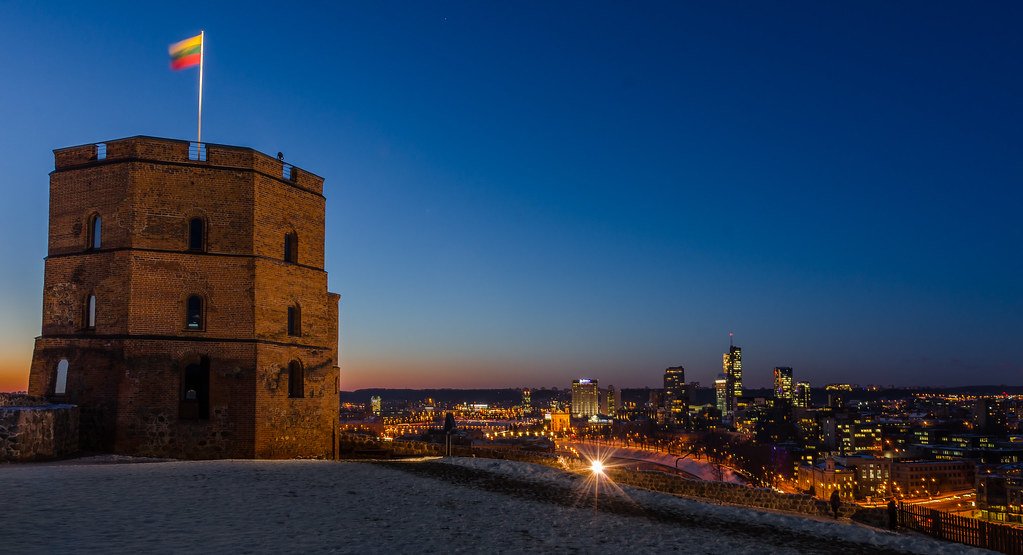
Let’s talk about Vilnius. If you had to introduce the city to someone who had never been there through five sounds rather than five images, what would they be?
Definitely the sound of rain, church bells, birds singing, the different languages spoken in the streets and the sound of the river flowing through the city. I think these five sounds capture Vilnius quite well: its calmness, its history, its nature, its diversity and its ever-changing rhythm.
What was the Vilnius underground scene like when you first got involved, and what has changed the most since then? And what, on the other hand, has remained exactly the same?
First of all, I’d like to move away from the term “underground”. Sooner or later, almost everything that starts out as an alternative cultural movement becomes a product of the mainstream in one way or another.
A lot has changed. Today, we have such easy access to music from all over the world that it’s becoming increasingly difficult to capture people’s attention and motivate them to go out to parties. Phones and screen time have also changed the way we experience things. We’re constantly surrounded by screens, notifications and endless content, making it harder to disconnect from everyday life and truly immerse ourselves in a moment. Life moves incredibly fast, and the habits and interests of younger generations are very different from what we were used to. The way people discover music, connect with artists and experience club culture has changed significantly.
But if there’s one thing that has stayed the same, it’s the love of music. That’s what keeps people going, no matter how much the world around us changes.
Every city has its own network of invisible places: basements, apartments, clubs, studios, temporary spaces, record shops and people who know people. Where does the Vilnius underground really happen?
I think it happens in the minds and hearts of the people who create it. There are so many different places scattered around the city, and the scene is constantly changing, so it would be really difficult to name just one or even a few. For me, the physical location matters less than the people, their ideas and the energy they bring together.
Which places, collectives and people have been essential in shaping your musical life in Vilnius? And where would you take someone if you wanted them to understand the city beyond its tourist image?
When it comes to places, it’s 100% Opium Club. That place showed me just how diverse electronic music could be, how many different genres existed and how, at a certain point, genres simply disappeared and all that was left was good music. It also taught me how important community is.
Unfortunately, Opium has now closed, but the same crew runs an incredible venue called Gallery 1986, which is much bigger. So I’d definitely take you to one of their parties. SODAS 2123 is another fantastic place, an artists’ hub with an exceptional selection of acts and plenty going on around it.
If you want to experience the darker side of the city, I’d take you to Elastica. And, of course, you can’t forget the summer festivals: Yaga and Riversound are absolutely not to be missed.
I think these places give you a much better understanding of Vilnius than any tourist guide ever could. It’s all about the people, the music and the atmosphere you experience when you become part of it.
Lithuania occupies a very particular geographical and cultural position within Europe. Do you think this has influenced the way Lithuanian artists approach electronic music? Is there such a thing as a Lithuanian sound?
To be honest, I don’t like associating a particular style of electronic music or a specific sound with any given country. Music speaks for itself, without borders. Of course, cultural identity exists and can influence the way people express themselves, but I don’t think that necessarily translates into a distinct national sound when it comes to electronic music. For me, the individual artist and their personality matter much more than where they come from.
Scene and Globalisation
Being part of a relatively small and geographically distant scene can create limitations, but also freedom. Do you think Vilnius artists are influenced by the need to look outward, towards London, Berlin or other European scenes, or are they increasingly developing their own ecosystem?
When it all started, of course we looked towards other scenes and drew inspiration from what was happening in cities like London and Berlin. That’s how it works: you look at what others are doing, learn from it and try to do it your own way, maybe even better.
Today, I’d say we have our own ecosystem. We’re developing our own identity while still keeping an eye on what’s happening in bigger cities. I think that’s the best balance: staying connected to the world without losing what makes our scene special.
The internet has connected underground scenes more than ever, but it has also potentially exposed everyone to the same influences. Do you think globalisation is making underground music more diverse or more homogeneous?
I think it’s both. On the one hand, you want to do something different from what you’ve already heard or seen, creating something of your own. On the other hand, you’re inevitably influenced by what’s happening around you, and sometimes you end up making something similar to what others are doing without even realising it.
At the same time, globalisation gives artists a much greater opportunity to reach people all over the world. Music that would once have remained within a small local scene can now travel anywhere. So, even if certain sounds may become more similar, the opportunities for artists to be heard and discovered have never been greater.
The Signal from Vilnius
After all these years of Electric Shapes, what are you still searching for in music? And if you could send a musical signal from Vilnius to someone listening to RMR in Bologna right now, what would you want them to hear?
I’m still searching for peace. That’s what music has always given me, and what I continue to look for after all these years.
And if I could send a signal from Vilnius to someone listening to RMR in Bologna right now, I’d say: turn up the volume and put on V – La Nouvelle Époque.
From Vilnius to Bolognina
The signal has arrived, and it’s worth tuning in to. Among the many things that emerge from this conversation, there’s one idea that feels particularly close to us: the underground is less about physical places and much more about the people, ideas and energy that come together to create it. It’s an idea we recognise here too, at a radio station born in a neighbourhood like Bolognina.
If you want to understand where we come from, we also recommend reading Bologna Underground: Underground Frequencies from the 1990s to Today.
For now, one final instruction from Vilnius: turn up the volume, and play V – La Nouvelle Époque.
RMR Radio
RMR Radio is an independent web radio station based in Bologna, born in the Bolognina neighbourhood. All broadcasts and sessions are available in the RMR Radio archive.
🇮🇹 Versione italiana
Dai nastri pirata dell’infanzia ai club di Kaunas, dal lockdown alla label: il fondatore di Electric Shapes ci racconta Vilnius, la sua scena e il significato di «Music Is The Cure».
Electric Shapes nasce a Vilnius come podcast, diventa un’etichetta e si allarga fino a essere una vera piattaforma: un posto per suoni eclettici, dove psichedelia, ritmi spezzati, ambient, techno, trance e downtempo convivono senza formule. Il motto è Music Is The Cure. Il catalogo è su Bandcamp.
Per questa conversazione ci siamo fatti raccontare il percorso da Aleksandr Lukaciov, che Electric Shapes l’ha fondata: dagli ascolti dell’infanzia ai viaggi in macchina verso i club, dalle prime uscite solo su SoundCloud fino a come si vive oggi l’underground in una scena piccola e lontana dai grandi centri europei.
Ne esce un ritratto sincero di Vilnius, senza nostalgia di maniera e senza troppe etichette. Compresa quella di «underground», che per lui merita una riflessione. Qui sotto, le risposte complete.
Prima di Electric Shapes
Prima che esistesse Electric Shapes, che rapporto avevi con la musica elettronica? Cosa ascoltavi, dove andavi e che tipo di ambiente musicale stavi cercando in quel periodo?
Sono nato nell’Unione Sovietica e, per fortuna, ce ne siamo andati da quella merda. Quando ero piccolo procurarsi la musica non era facile come oggi. Non c’erano piattaforme di streaming né archivi online infiniti, solo copie pirata su cassetta che andavo a cercare a casa di mio cugino e, più tardi, nei mercati all’aperto. Per lo più trovavo Eurodance, un po’ di pop russo e, naturalmente, Nirvana e Metallica. Anche mio padre ha avuto un ruolo importante nel formare il mio gusto musicale. Ascoltava Deep Purple, Slade, The Beatles, Uriah Heep, Queen e tante altre band, quindi fin da piccolo sono stato esposto a una gamma di musica piuttosto ampia.
Poi ho scoperto i The Prodigy, ed è stata una vera svolta. È scattato qualcosa, e da allora il mio interesse per la musica elettronica non ha mai smesso di crescere.
Mio zio era un DJ e suonava a eventi privati all’inizio degli anni Novanta: è stato lui a farmi conoscere il mondo elettronico underground, con artisti come Kraftwerk e Art of Noise. Più avanti ha iniziato a spiegarmi i diversi stili: acid, garage, house, techno. Era affascinante scoprire che tutti questi suoni avevano un nome e un’identità propri. Volevo capire di più, così mi ci sono buttato a capofitto.
Naturalmente, senza internet, scoprire musica nuova richiedeva molta più fatica, ma faceva parte dell’emozione. A scuola avevo qualche amico che condivideva la mia ossessione per l’elettronica. Uno di loro mi ha fatto conoscere Aphex Twin e la serie Global Underground. A dire il vero, a quell’età Aphex Twin era piuttosto difficile da digerire. Ero curioso, ma non ero ancora pronto a capire o ad apprezzare tutto quello che faceva. La progressive house mi sembrava una direzione più naturale, e mi sono appassionato completamente alle compilation dei Deep Dish. Era quasi una favola. Mi sono innamorato dell’atmosfera, delle melodie, dei ritmi: praticamente di tutto di quel suono.
In quel periodo la scena club lituana organizzava già serate bellissime. Una delle mie mete preferite era l’EXIT di Kaunas, a circa 100 km da Vilnius, dove vivevo. Facevo davvero tutta quella strada in macchina solo per essere parte di quelle notti. L’EXIT è stato tra i primi club della Lituania a ospitare artisti come Deep Dish, Satoshi Tomiie, John Digweed, Anthony Pappa e Omid 16B. Quelle esperienze hanno avuto un ruolo enorme nel formare il mio gusto. Un grande saluto a Ignas Vanagas (Ignas IV) per tutte quelle notti incredibili.
Quando finalmente abbiamo avuto internet a casa, Soulseek è diventato uno strumento incredibile per scoprire musica. Potevo passare ore a cercare nuovi artisti e nuovi suoni, spingendomi sempre oltre quello che già conoscevo. Più andavo a fondo, più diventava emozionante. C’era sempre qualcosa di nuovo da scoprire, e amavo quella sensazione.
A Vilnius, Opium e Kablys sono diventati i miei posti fissi, ed entrambi hanno avuto un grande impatto sulla mia vita. Uscivo quasi ogni weekend, incontravo persone della scena, scambiavo idee, parlavo di musica e di tutto quello che le gira intorno, e guardavo la comunità locale evolversi. Far parte di quell’ambiente mi ha fatto capire, a poco a poco, che volevo contribuire con qualcosa di mio, invece di restare solo sulla pista da ballo.
Alla fine mi sono sentito pronto a costruire qualcosa di mio: una piattaforma per la musica, gli artisti e le persone in cui credevo. Ed è così che è nato Electric Shapes.
Electric Shapes
Electric Shapes è nato come podcast e si è poi sviluppato in un’etichetta discografica e in una piattaforma più ampia. Cosa mancava nel panorama musicale intorno a te, tanto da farti sentire il bisogno di crearlo?
Non direi che mancasse qualcosa. Volevo semplicemente far parte della scena, contribuire con qualcosa di mio, entrare in contatto con persone affini e condividere la musica che amo davvero. È iniziato tutto in modo naturale, senza grandi piani o ambizioni. Volevo solo essere coinvolto e vedere dove mi avrebbe portato.
Ricordi il momento in cui hai capito che Electric Shapes poteva diventare qualcosa di più di una serie di mix? C’è stato un disco, un artista, una festa o un’esperienza in particolare che ne ha cambiato la direzione?
Certo che me lo ricordo. Era proprio all’inizio del COVID. Ero appena tornato dalla Francia, dove avevo passato sei mesi, e dovevo fare la quarantena. Chiuso in casa da solo per qualche settimana, passavo molto tempo a chiacchierare con un mio amico, Dovydas Platakis, alias Jokios Kultūros, che è praticamente un membro invisibile di Electric Shapes.
Produceva musica già da un po’, e io gli dicevo sempre che doveva pubblicarla e iniziare a cercare un’etichetta per le sue produzioni. Poi un giorno è tornato da me con un’idea semplice: «Ehi, abbiamo già una piattaforma e un po’ di follower, perché non fondiamo un’etichetta e pubblichiamo noi la mia musica?»
Sinceramente, all’inizio ero un po’ spaesato. All’epoca l’idea di gestire un’etichetta discografica mi sembrava qualcosa di molto più grande che avere una piattaforma di podcast. Ma abbiamo deciso di provarci. La cosa buffa è che le nostre prime due uscite sono state pubblicate esclusivamente su SoundCloud. Non avevamo la minima idea di come funzionassero le cose.
Quando abbiamo iniziato a mettere insieme la nostra prima compilation, Konsistent, che ne faceva parte, ci ha praticamente detto: «Dai, ragazzi, fate le persone serie e createvi una pagina Bandcamp. Non si può pubblicare musica su SoundCloud!»
Ed è così che è cominciato tutto. Nessuna grande strategia, nessun piano prestabilito: solo una conversazione tra amici durante il lockdown che si è trasformata in qualcosa di molto più grande di quanto avessimo immaginato.
Sfogliando il catalogo di Electric Shapes è difficile ridurre l’etichetta a un solo genere. Elettronica psichedelica, ritmi spezzati, ambient, techno, trance, downtempo e territori molto più strani possono convivere. Cosa rende un disco un disco Electric Shapes? Esiste un filo invisibile che tiene insieme tutti questi suoni diversi?
Non proprio, e credo che sia questo il bello. La maggior parte delle nostre uscite viene da amici, anche se non tutte, ovviamente. Come ho sempre detto, Electric Shapes è un posto per suoni eclettici. Io stesso ascolto ogni tipo di musica, a seconda dell’umore: perché dovrei limitare l’etichetta a una sola direzione?
Siamo sempre stati aperti a demo e artisti nuovi, e sono contento di scoprire musica che mi porta in un posto inaspettato. Ma non conta solo la musica in sé. La personalità conta altrettanto, se non di più. Chi sei, come la pensi e il legame che abbiamo pesano molto nella decisione di lavorare insieme.
Quindi, se c’è un filo invisibile che tiene tutto insieme, direi che è il mio umore, il mio gusto e il mio eclettismo. Non voglio seguire una formula o restare fedele a un suono particolare. Voglio che Electric Shapes rifletta chi sono e cosa mi piace in ogni momento. È questo che continua a rendermelo stimolante.
Cerchi consapevolmente di evitare i confini di genere quando curi l’etichetta, o la direzione musicale emerge in modo naturale dagli artisti e dalla musica che scopri?
No, succede tutto al 100% in modo naturale. Non seguo una direzione precisa e non cerco di evitare certi generi di proposito. Pubblico semplicemente la musica che amo e che mi sembra giusta per Electric Shapes in quel momento. Non c’è nessuna formula: tutto dipende dal mio gusto, dal mio umore e dalle persone con cui entro in sintonia.
In molte uscite di Electric Shapes c’è un forte senso di movimento e trasformazione. Cosa rende viva, per te, una musica elettronica?
Direi anima e personalità. Per me la musica deve avere qualcosa di personale dietro, qualcosa che la renda unica e le dia carattere. Non si tratta di perfezione tecnica, ma della sensazione e della persona che sta dietro al suono.
Il vostro motto è «Music Is The Cure». Cosa significa per te oggi questa frase? E cosa pensi che la musica possa davvero curare?
Significa ancora quello che significava all’inizio. Quando ho fondato Electric Shapes non stavo vivendo un bel momento. Avevo a che fare con tante cose personali, e la musica è diventata un modo per ritrovare il mio equilibrio. Avviare Electric Shapes mi ha aiutato a rimettermi sulla strada giusta e a riscoprire la gioia delle giornate. In un certo senso mi ha dato una prospettiva nuova e qualcosa da aspettare con piacere.
Per me è sempre stato così. Ho brani diversi per umori diversi, e c’è sempre della musica adatta a quello che sto attraversando. Mi ha aiutato a superare momenti difficili più volte di quante riesca a contare.
Credo che la musica possa guarire l’anima e la mente. Magari non risolve i tuoi problemi, ma può aiutarti a elaborare le emozioni, a cambiare prospettiva o semplicemente a rendere più leggera una giornata difficile. A volte è già moltissimo.
Fiducia e comunità
Electric Shapes sembra essere cresciuto grazie alle relazioni e alle amicizie quanto grazie alla musica. Quanto sono importanti la fiducia e i rapporti personali quando decidi chi entra a far parte dell’etichetta?
Come ho detto prima, è estremamente importante. La musica è una cosa, ma la persona che c’è dietro conta altrettanto. Do valore all’onestà, al rispetto reciproco e ai legami autentici. Cerco di stare lontano dalle persone false e da quelle guidate dall’ego. Per me un’etichetta non significa solo pubblicare musica insieme: significa costruire rapporti con persone di cui ti puoi fidare e con cui condividere il percorso.
Il tuo rapporto con la comunità più ampia di Vilnius, compresi progetti come Jokios Kultūros, sembra essere stato importante nello sviluppo di Electric Shapes. In che modo queste relazioni hanno plasmato l’identità dell’etichetta?
Direi che è tutta una questione di amore per la musica. È ciò che ci unisce in primo luogo e ciò che fa andare avanti tutto. Le relazioni, le amicizie e le esperienze condivise plasmano naturalmente l’identità di Electric Shapes. Non c’è nessuna grande filosofia dietro: solo persone che amano la musica e vogliono condividerla con gli altri.
Pensi che un’etichetta indipendente possa ancora esistere principalmente come comunità piuttosto che come attività commerciale? E cosa tiene insieme una comunità di questo tipo quando c’è poco o nessun incentivo economico?
Certo che può. Prima di tutto si tratta della comunità. Per me è un po’ difficile parlarne per esperienza personale, perché qui in Lituania porto avanti tutto da solo e intorno a me, a livello locale, non c’è davvero una comunità di Electric Shapes.
Ma una cosa la so per certo: che tu gestisca un’attività o stia costruendo una comunità, devi sempre restare onesto e corretto, e trattare con rispetto le persone con cui lavori. Credo che alla lunga conti davvero questo, indipendentemente dal fatto che ci sia o meno un incentivo economico.
Vilnius
Parliamo di Vilnius. Se dovessi presentare la città a qualcuno che non ci è mai stato attraverso cinque suoni invece che cinque immagini, quali sarebbero?
Senza dubbio il suono della pioggia, le campane delle chiese, il canto degli uccelli, le diverse lingue parlate per le strade e il suono del fiume che attraversa la città. Credo che questi cinque suoni catturino bene Vilnius: la sua calma, la sua storia, la sua natura, la sua diversità e il suo ritmo in continuo cambiamento.
Com’era l’underground di Vilnius quando ti sei avvicinato per la prima volta, e cosa è cambiato di più da allora? Cosa, invece, è rimasto esattamente uguale?
Innanzitutto, mi piacerebbe allontanarmi dal termine «underground». Prima o poi quasi tutto ciò che nasce come movimento culturale alternativo diventa, in un modo o nell’altro, un prodotto del mainstream.
Le cose sono cambiate molto. Oggi abbiamo un accesso così facile alla musica di tutto il mondo che diventa sempre più difficile catturare l’attenzione delle persone e motivarle a uscire per le feste. Anche telefoni e tempo davanti agli schermi hanno cambiato il modo in cui viviamo le cose. Siamo costantemente circondati da schermi, notifiche e contenuti infiniti, e questo rende più difficile staccarsi dalla vita di tutti i giorni e immergersi davvero in un momento. La vita va incredibilmente veloce, e le abitudini e gli interessi delle nuove generazioni sono molto diversi da quelli a cui eravamo abituati. Il modo in cui le persone scoprono la musica, entrano in contatto con gli artisti e vivono la cultura del club è cambiato in modo significativo.
Ma se c’è una cosa che è rimasta uguale, è l’amore per la musica. È quello che fa andare avanti le persone, indipendentemente da quanto cambi il mondo intorno a noi.
Ogni città ha la sua rete di luoghi invisibili: scantinati, appartamenti, club, studi, spazi temporanei, negozi di dischi e persone che conoscono persone. Dove succede davvero l’underground di Vilnius?
Penso che succeda nelle menti e nei cuori delle persone che lo creano. Ci sono tantissimi posti sparsi per la città e la scena cambia di continuo, quindi sarebbe davvero difficile nominarne uno solo o pochi. Per me conta meno il luogo fisico e molto di più le persone, le loro idee e l’energia che portano insieme.
Quali luoghi, collettivi e persone sono stati fondamentali nel plasmare la tua vita musicale a Vilnius? E dove porteresti qualcuno se volessi fargli capire la città oltre la sua immagine turistica?
Se parliamo di luoghi, è al 100% l’Opium Club. Quel posto mi ha mostrato quanto potesse essere varia la musica elettronica, quanti generi diversi esistessero e come, a un certo punto, non ci fossero più generi: solo buona musica. Mi ha anche insegnato quanto sia importante la comunità.
Purtroppo l’Opium ora ha chiuso, ma la stessa crew gestisce un locale incredibile chiamato Gallery 1986, di dimensioni maggiori. Quindi ti porterei sicuramente a una delle loro feste. SODAS 2123 è un altro posto fantastico, un hub per artisti con una selezione di act eccezionale e tanto movimento intorno.
Se vuoi vivere il lato più oscuro della città, ti porterei all’Elastica. E, naturalmente, non puoi dimenticare i festival estivi: Yaga e Riversound sono assolutamente da non perdere.
Penso che questi posti ti facciano capire Vilnius molto meglio di qualsiasi guida turistica. Si tratta delle persone, della musica e dell’atmosfera che vivi quando ne fai parte.
La Lituania occupa una posizione geografica e culturale molto particolare all’interno dell’Europa. Pensi che questo abbia influenzato il modo in cui gli artisti lituani si approcciano alla musica elettronica? Esiste un suono lituano?
Per essere sincero, non mi piace collegare un particolare stile di musica elettronica o un suono a un paese specifico. La musica parla da sé, senza confini. Certo, l’identità culturale esiste e può influenzare il modo in cui le persone si esprimono, ma non credo che questo si traduca necessariamente in un suono nazionale distinto, quando si parla di musica elettronica. Per me conta molto di più il singolo artista e la sua personalità che il luogo da cui viene.
Scena e globalizzazione
Far parte di una scena relativamente piccola e geograficamente distante può creare limiti, ma anche libertà. Pensi che gli artisti di Vilnius siano influenzati dalla necessità di guardare verso l’esterno, a Londra, Berlino o altre scene europee, oppure stiano sviluppando sempre di più un proprio ecosistema?
Quando tutto è iniziato, ovviamente guardavamo ad altre scene e prendevamo ispirazione da quello che succedeva in città come Londra e Berlino. Funziona così: guardi cosa fanno gli altri, impari e provi a farlo a modo tuo, magari anche meglio.
Oggi direi che abbiamo un nostro ecosistema. Stiamo sviluppando una nostra identità, continuando a tenere il polso di ciò che succede nelle città più grandi. Penso che sia il miglior equilibrio: restare connessi al mondo senza perdere ciò che rende speciale la nostra scena.
Internet ha connesso le scene underground più che mai, ma ha anche esposto tutti, potenzialmente, agli stessi riferimenti. Pensi che la globalizzazione stia rendendo la musica underground più varia o più omogenea?
Penso che sia entrambe le cose. Da un lato vuoi fare qualcosa di diverso da ciò che hai già sentito o visto, creando una cosa tua. Dall’altro sei inevitabilmente influenzato da quello che succede intorno a te, e a volte finisci per fare qualcosa di simile agli altri senza nemmeno rendertene conto.
Allo stesso tempo, la globalizzazione dà agli artisti una possibilità molto maggiore di raggiungere persone in tutto il mondo. La musica che un tempo sarebbe rimasta dentro una piccola scena locale oggi può viaggiare ovunque. Quindi, anche se certi suoni possono diventare più simili, le occasioni per gli artisti di essere ascoltati e scoperti non sono mai state così grandi.
Il segnale da Vilnius
Dopo tutti questi anni di Electric Shapes, cosa stai ancora cercando nella musica? E se potessi mandare un segnale musicale da Vilnius a qualcuno che sta ascoltando RMR a Bologna in questo momento, cosa vorresti fargli sentire?
Sto ancora cercando la pace. È quello che la musica mi ha sempre dato e che continuo a cercare dopo tutti questi anni.
E se potessi mandare un segnale da Vilnius a qualcuno che sta ascoltando RMR a Bologna in questo momento, direi: alzate il volume e mettete su V – La Nouvelle Époque.
Da Vilnius alla Bolognina
Il segnale è arrivato, e vale la pena raccoglierlo. Tra le tante cose che emergono da questa conversazione ce n’è una che sentiamo molto vicina: l’underground è meno una questione di luoghi fisici e molto più di persone, idee ed energia che si mettono insieme. È un’idea che riconosciamo anche qui, in una radio nata in un quartiere come la Bolognina.
Se vuoi capire da dove arriviamo, ti consigliamo di leggere anche Bologna Underground: frequenze sotterranee dagli anni Novanta a oggi.
Per ora, un’ultima indicazione da Vilnius: volume su, e V – La Nouvelle Époque.
RMR Radio
RMR Radio è la web radio indipendente di Bologna, nata nel quartiere Bolognina. Tutte le trasmissioni e le sessioni sono disponibili nell’archivio di RMR Radio.
🇱🇹 Lietuviška versija
„Music Is The Cure“: „Electric Shapes“ ir Vilniaus muzikinių dažnių pasaulis Aleksandro Lukačiovo žodžiais
Nuo vaikystės, kai klausydavosi piratinių kasečių, iki Kauno klubų; nuo karantino iki nuosavos įrašų leidyklos įkūrimo – „Electric Shapes“ įkūrėjas pasakoja apie Vilnių, jo muzikos sceną ir šūkio „Music Is The Cure“ prasmę.
Vilniuje gimęs projektas „Electric Shapes“ iš pradžių buvo tinklalaidė, vėliau virto įrašų leidykla ir pamažu išaugo į visapusišką platformą – erdvę eklektiškiems garsams, kurioje psichodelika, broken beat ritmai, ambientas, techno, trance ir downtempo egzistuoja greta, nesilaikydami jokios konkrečios formulės. Jo šūkis – Music Is The Cure.
Šiam pokalbiui paprašėme Aleksandro papasakoti apie savo kelią: nuo vaikystėje klausytos muzikos iki kelionių į klubus, nuo pirmųjų leidinių „SoundCloud“ platformoje iki to, ką reiškia būti pogrindinės scenos dalimi nedideliame mieste, nutolusiame nuo pagrindinių Europos kultūros centrų.
Atsiskleidžia nuoširdus Vilniaus portretas, kuriame nėra dirbtinai kuriamos nostalgijos ar nereikalingų etikečių. Įskaitant ir pačią „underground“ sąvoką, kurią, jo nuomone, verta panagrinėti atidžiau.
Štai visas mūsų pokalbis.
Prieš „Electric Shapes“
Koks buvo jūsų santykis su elektronine muzika dar prieš atsirandant „Electric Shapes“? Kokios muzikos klausėtės, kur lankydavotės ir kokios muzikinės aplinkos tuo metu ieškojote?
Gimiau Sovietų Sąjungoje ir, laimei, mums pavyko ištrūkti iš to šūdo. Kai buvau vaikas, gauti muzikos nebuvo taip paprasta kaip šiandien. Nebuvo nei muzikos transliavimo platformų, nei begalinių internetinių archyvų – tik piratinės kasečių kopijos, kurių ieškodavau pas pusbrolį, o vėliau ir turguose po atviru dangumi. Dažniausiai pavykdavo rasti eurodance, šiek tiek rusiškos popmuzikos ir, žinoma, „Nirvana“ bei „Metallica“. Didelę įtaką mano muzikiniam skoniui padarė ir tėvas. Jis klausydavosi „Deep Purple“, „Slade“, „The Beatles“, „Uriah Heep“, „Queen“ ir daugybės kitų grupių, todėl nuo mažens girdėjau labai įvairią muziką.
Vėliau atradau „The Prodigy“ – tai buvo tikras lūžio taškas. Kažkas manyje susijungė, ir nuo tada mano susidomėjimas elektronine muzika tik augo.
Mano dėdė buvo didžėjus ir dešimtojo dešimtmečio pradžioje grodavo privačiuose renginiuose. Būtent jis supažindino mane su pogrindiniu elektroninės muzikos pasauliu ir tokiais atlikėjais kaip „Kraftwerk“ bei „Art of Noise“. Vėliau jis pradėjo aiškinti man skirtingus stilius: acid, garage, house, techno. Buvo be galo įdomu sužinoti, kad visi šie garsai turi savo pavadinimus ir tapatybę. Norėjau apie tai suprasti kuo daugiau, todėl visiškai pasinėriau į šį pasaulį.
Žinoma, neturint interneto, naujos muzikos paieškos reikalavo kur kas daugiau pastangų, tačiau tai buvo dalis viso įdomumo. Mokykloje turėjau keletą draugų, kurie taip pat buvo apsėsti elektroninės muzikos. Vienas jų supažindino mane su „Aphex Twin“ ir „Global Underground“ serija. Tiesą sakant, tokio amžiaus man „Aphex Twin“ buvo gana sunkiai suprantamas. Smalsumo netrūko, tačiau dar nebuvau pasirengęs suprasti ar įvertinti visko, ką jis kūrė. Progressive house man atrodė natūralesnė kryptis, o „Deep Dish“ rinktinės tapo tikra manija. Tai buvo tarsi pasaka. Įsimylėjau atmosferą, melodijas, ritmus – iš esmės viską, kas būdinga šiam skambesiui.
Tuo metu Lietuvos klubų scena jau rengdavo neįtikėtinus vakarėlius. Viena mėgstamiausių mano krypčių buvo EXIT klubas Kaune, maždaug už 100 kilometrų nuo Vilniaus, kuriame gyvenau. Iš tikrųjų važiuodavau visą šį atstumą vien tam, kad galėčiau dalyvauti tuose vakarėliuose. EXIT buvo vienas pirmųjų Lietuvos klubų, kuriame pasirodė tokie atlikėjai kaip „Deep Dish“, Satoshi Tomiie, John Digweed, Anthony Pappa ir Omid 16B. Šie patyrimai turėjo didžiulę įtaką formuojantis mano skoniui. Didelis ačiū Ignui Vanagui (Ignas IV) už visus tuos neįtikėtinus vakarus.
Kai pagaliau namuose atsirado internetas, „Soulseek“ tapo nuostabiu įrankiu muzikai atrasti. Galėdavau valandų valandas ieškoti naujų atlikėjų ir garsų, nuolat peržengdamas tai, ką jau pažinojau. Kuo giliau nerdavau, tuo įdomiau būdavo. Visada atsirasdavo ką nors naujo atrasti, ir man tas jausmas labai patiko.
Vilniuje nuolatinėmis mano lankymosi vietomis tapo „Opium“ ir „Kablys“ – abu jie padarė didžiulę įtaką mano gyvenimui. Beveik kiekvieną savaitgalį kur nors eidavau, susitikdavau su scenos žmonėmis, keisdavausi idėjomis, kalbėdavausi apie muziką ir visa, kas su ja susiję, stebėdavau, kaip keičiasi vietos bendruomenė. Būdamas šios aplinkos dalimi pamažu supratau, kad noriu pats prie jos prisidėti, o ne tik likti šokių aikštelėje.
Galiausiai pajutau, kad esu pasirengęs sukurti kažką savo – platformą muzikai, atlikėjams ir žmonėms, kuriais tikėjau. Taip gimė „Electric Shapes“.
„Electric Shapes“
„Electric Shapes“ pradėjo veiklą kaip tinklalaidė, o vėliau išaugo į įrašų leidyklą ir platesnę platformą. Ar tuometinėje muzikinėje aplinkoje kažko trūko ir tai paskatino jus ją sukurti?
Nepasakyčiau, kad kažko trūko. Tiesiog norėjau būti scenos dalimi, pats prie jos prisidėti, užmegzti ryšius su panašiai mąstančiais žmonėmis ir dalytis muzika, kurią iš tiesų myliu. Viskas prasidėjo natūraliai, be didelių planų ar ambicijų. Tiesiog norėjau įsitraukti ir pažiūrėti, kur tai nuves.
Ar prisimenate akimirką, kai supratote, kad „Electric Shapes“ gali tapti kažkuo daugiau nei vien miksų serija? Ar buvo konkretus įrašas, atlikėjas, vakarėlis ar patirtis, pakeitusi projekto kryptį?
Žinoma, prisimenu. Tai įvyko pačioje COVID-19 pandemijos pradžioje. Ką tik buvau grįžęs iš Prancūzijos, kur praleidau šešis mėnesius, ir turėjau izoliuotis. Kelias savaites vienas užsidaręs namuose daug laiko praleidau bendraudamas su savo draugu Dovydasu Platakiu, dar žinomu kaip „Jokios Kultūros“ – iš esmės jis yra nematomas „Electric Shapes“ narys.
Jis jau kurį laiką kūrė muziką, o aš nuolat kartojau, kad turėtų ją išleisti ir pradėti ieškoti leidyklos savo kūriniams. Vieną dieną jis grįžo su paprasta idėja: „Ei, juk jau turime platformą ir sekėjų. Kodėl gi nepradėjus įrašų leidyklos ir patiems neišleidus mano muzikos?“
Atvirai kalbant, iš pradžių ši mintis mane šiek tiek pribloškė. Tuo metu vadovauti įrašų leidyklai atrodė kur kas rimtesnis dalykas nei turėti tinklalaidės platformą. Vis dėlto nusprendėme pabandyti. Juokingiausia tai, kad pirmuosius du leidinius išleidome tik „SoundCloud“ platformoje. Neturėjome nė menkiausio supratimo, kaip visa tai veikia.
Kai pradėjome rengti pirmąją rinktinę „Konsistent“, vienas iš jos dalyvių, iš esmės, pasakė mums: „Na, vaikinai, susiimkite ir susikurkite „Bandcamp“ puslapį. Negalite leisti muzikos per „SoundCloud“\!“
Ir taip viskas prasidėjo. Be didelės strategijos, be iš anksto numatyto plano – tiesiog pokalbis tarp draugų karantino metu, išaugęs į kažką kur kas didesnio, nei galėjome įsivaizduoti.
Žvelgiant į „Electric Shapes“ katalogą, sunku priskirti leidyklą vienam žanrui. Čia greta egzistuoja psichodelinė elektronika, broken beat, ambientas, techno, trance, downtempo ir kur kas keistesnės muzikinės teritorijos. Kas lemia, kad įrašas tampa „Electric Shapes“ leidiniu? Ar yra nematoma gija, jungianti visus šiuos skirtingus garsus?
Nelabai, ir manau, kad būtent tai yra gražiausia. Dauguma mūsų leidinių ateina iš draugų rato, nors, žinoma, ne visi. Kaip visada sakiau, „Electric Shapes“ yra namai eklektiškiems garsams. Pats klausausi įvairiausios muzikos, priklausomai nuo nuotaikos, tad kodėl turėčiau apriboti leidyklą tik viena kryptimi?
Visada buvome atviri demonstraciniams įrašams ir naujiems atlikėjams, o man patinka atrasti muziką, kuri netikėtai nukelia į naujas vietas. Tačiau svarbi ne vien pati muzika. Asmenybė yra ne mažiau svarbi, o gal net svarbesnė. Tai, kas esi, kaip mąstai ir koks ryšys mus sieja, turi didelę reikšmę sprendžiant, ar bendradarbiausime.
Taigi, jei viską jungia kokia nors nematoma gija, sakyčiau, kad tai mano nuotaika, skonis ir eklektiškumas. Nenoriu vadovautis formule ar laikytis konkretaus skambesio. Noriu, kad „Electric Shapes“ atspindėtų tai, kas esu ir kas man patinka konkrečiu metu. Būtent dėl to man šis projektas išlieka įdomus.
Ar sąmoningai stengiatės vengti žanrų ribų, kuruodami leidyklos katalogą, ar jos muzikinė kryptis natūraliai susiformuoja iš sutiktų atlikėjų ir atrandamos muzikos?
Ne, viskas vyksta visiškai natūraliai. Nesilaikau jokios konkrečios krypties ir sąmoningai nevengiu jokių žanrų. Tiesiog leidžiu muziką, kurią myliu ir kuri tuo metu atrodo tinkama „Electric Shapes“. Nėra jokios formulės – viskas priklauso nuo mano skonio, nuotaikos ir žmonių, su kuriais užmezgu ryšį.
Daugelyje „Electric Shapes“ leidinių jaučiamas stiprus judėjimo ir transformacijos pojūtis. Kas, jūsų manymu, elektroninei muzikai suteikia gyvybės?
Sakyčiau, siela ir asmenybė. Man muzika turi turėti kažką asmeniško, kažką, kas ją daro išskirtinę ir suteikia jai charakterį. Svarbiausia ne techninis tobulumas, o jausmas ir žmogus, slypintis už skambesio.
Jūsų šūkis – „Music Is The Cure“. Ką ši frazė jums reiškia šiandien? Ir ką, jūsų manymu, muzika iš tiesų gali išgydyti?
Ji vis dar reiškia lygiai tą patį, ką reiškė nuo pat pradžių. Kai įkūriau „Electric Shapes“, išgyvenau ne itin gerą laikotarpį. Turėjau daug asmeninių problemų, o muzika tapo būdu vėl atrasti vidinę pusiausvyrą. „Electric Shapes“ kūrimas padėjo man grįžti į vėžes ir iš naujo atrasti kasdienio gyvenimo džiaugsmą. Tam tikra prasme tai suteikė man naują požiūrį ir kažką, ko galėjau laukti.
Man taip buvo visada. Turiu skirtingų kūrinių skirtingoms nuotaikoms, ir visuomet atsiranda muzikos, atitinkančios tai, ką tuo metu išgyvenu. Ji padėjo man įveikti sunkius laikotarpius daugiau kartų, nei galėčiau suskaičiuoti.
Tikiu, kad muzika gali gydyti sielą ir protą. Ji galbūt neišspręs tavo problemų, tačiau gali padėti išgyventi emocijas, pakeisti požiūrį arba tiesiog padaryti sunkią dieną šiek tiek lengvesnę. Kartais tai jau labai daug.
Pasitikėjimas ir bendruomenė
Atrodo, kad „Electric Shapes“ augo tiek per santykius ir draugystes, kiek ir per muziką. Kiek pasitikėjimas bei asmeniniai ryšiai svarbūs sprendžiant, kas taps leidyklos dalimi?
Kaip jau sakiau, tai nepaprastai svarbu. Muzika yra viena, tačiau žmogus, slypintis už jos, ne mažiau svarbus. Vertinu sąžiningumą, abipusę pagarbą ir tikrus ryšius. Stengiuosi laikytis atokiau nuo netikrų žmonių ir tų, kuriuos valdo ego. Man leidykla nėra vien bendras muzikos leidimas – tai santykių su žmonėmis, kuriais gali pasitikėti ir su kuriais gali leistis į bendrą kelionę, kūrimas.
Atrodo, kad jūsų ryšys su platesne Vilniaus bendruomene, įskaitant tokius projektus kaip „Jokios Kultūros“, suvaidino svarbų vaidmenį plėtojant „Electric Shapes“. Kaip šie santykiai suformavo leidyklos tapatybę?
Sakyčiau, viską lemia meilė muzikai. Būtent ji mus iš pradžių suveda ir leidžia viskam tęstis. Santykiai, draugystės ir bendri patyrimai natūraliai formuoja „Electric Shapes“ tapatybę. Už to nėra jokios didingos filosofijos – tiesiog žmonės, kurie myli muziką ir nori ja dalytis su kitais.
Ar manote, kad nepriklausoma leidykla vis dar gali pirmiausia gyvuoti kaip bendruomenė, o ne kaip verslas? Ir kas palaiko tokią bendruomenę, kai finansinės paskatos menkos arba jų visai nėra?
Žinoma, kad gali. Visų pirma, svarbiausia yra bendruomenė. Man šiek tiek sunku apie tai kalbėti iš asmeninės patirties, nes čia, Lietuvoje, viską darau pats, o vietiniu mastu aplink mane iš esmės nėra „Electric Shapes“ bendruomenės.
Tačiau vieną dalyką tikrai žinau: nesvarbu, ar kuri verslą, ar bendruomenę, visada privalai išlikti sąžiningas ir teisingas bei pagarbiai elgtis su žmonėmis, su kuriais dirbi. Manau, ilgainiui būtent tai ir yra svarbiausia, nepriklausomai nuo to, ar yra kokių nors finansinių paskatų.
Vilnius
Pakalbėkime apie Vilnių. Jei reikėtų pristatyti miestą žmogui, kuris jame niekada nėra buvęs, penkiais garsais, o ne penkiais vaizdais, kokie jie būtų?
Be abejo, lietaus garsas, bažnyčių varpai, paukščių giesmės, gatvėse skambančios skirtingos kalbos ir per miestą tekančios upės čiurlenimas. Manau, šie penki garsai gana gerai perteikia Vilnių: jo ramybę, istoriją, gamtą, įvairovę ir nuolat kintantį ritmą.
Kokia buvo Vilniaus pogrindinė scena, kai joje pradėjote dalyvauti, ir kas nuo tada pasikeitė labiausiai? O kas, priešingai, liko visiškai nepakitę?
Pirmiausia norėčiau atsitraukti nuo termino „underground“. Anksčiau ar vėliau beveik kiekvienas judėjimas, prasidėjęs kaip alternatyvi kultūrinė veikla, vienaip ar kitaip tampa pagrindinės kultūros dalimi ir jos produktu.
Daug kas pasikeitė. Šiandien turime tokią lengvą prieigą prie muzikos iš viso pasaulio, kad darosi vis sunkiau patraukti žmonių dėmesį ir paskatinti juos eiti į vakarėlius. Telefonai ir prie ekranų praleidžiamas laikas taip pat pakeitė mūsų patirtis. Mus nuolat supa ekranai, pranešimai ir nesibaigiantis turinys, todėl vis sunkiau atsiriboti nuo kasdienybės ir iš tikrųjų pasinerti į akimirką. Gyvenimas juda neįtikėtinai greitai, o jaunesnių kartų įpročiai ir interesai labai skiriasi nuo tų, prie kurių buvome įpratę. Gerokai pasikeitė tai, kaip žmonės atranda muziką, užmezga ryšius su atlikėjais ir patiria klubinę kultūrą.
Tačiau jei yra vienas dalykas, kuris nepasikeitė, tai meilė muzikai. Būtent ji skatina žmones judėti pirmyn, kad ir kiek keistųsi mus supantis pasaulis.
Kiekvienas miestas turi savo nematomų vietų tinklą: rūsius, butus, klubus, studijas, laikinąsias erdves, įrašų parduotuves ir žmones, kurie pažįsta kitus žmones. Kur iš tikrųjų vyksta Vilniaus „underground“ gyvenimas?
Manau, jis vyksta žmonių, kurie jį kuria, mintyse ir širdyse. Mieste išsibarsčiusių skirtingų vietų yra labai daug, o scena nuolat keičiasi, todėl būtų tikrai sunku įvardyti vieną ar net kelias konkrečias vietas. Man fizinė lokacija mažiau svarbi nei žmonės, jų idėjos ir energija, kurią jie sukuria kartu.
Kurios vietos, kolektyvai ir žmonės buvo svarbiausi formuojantis jūsų muzikiniam gyvenimui Vilniuje? Kur nusivestumėte žmogų, norėdami parodyti jam miestą, kuris slypi už turistinio įvaizdžio?
Kalbant apie vietas, tai neabejotinai „Opium Club“. Ši vieta man parodė, kokia įvairi gali būti elektroninė muzika, kiek daug egzistuoja skirtingų žanrų ir kaip tam tikru momentu žanrai tiesiog išnyksta, o lieka tik gera muzika. Ji taip pat išmokė, kokia svarbi yra bendruomenė.
Deja, „Opium“ jau užsidarė, tačiau ta pati komanda dabar rengia neįtikėtinus vakarėlius gerokai didesnėje erdvėje „Gallery 1986“. Tad tikrai nusivesčiau jus į vieną iš jų renginių. „SODAS 2123“ – dar viena puiki vieta, menininkų susibūrimo erdvė, kurioje pristatomi išskirtiniai atlikėjai ir vyksta daugybė kitų veiklų.
Jei norėtumėte patirti tamsesniąją miesto pusę, nusivesčiau jus į „Elastica“. Ir, žinoma, negalima pamiršti vasaros festivalių: „Yaga“ ir „Riversound“ tikrai būtina aplankyti.
Manau, šios vietos apie Vilnių papasakoja kur kas daugiau nei bet kuris turistinis vadovas. Viskas sukasi apie žmones, muziką ir atmosferą, kurią patiri tapęs šios aplinkos dalimi.
Lietuva užima labai savitą geografinę ir kultūrinę vietą Europoje. Ar manote, kad tai turėjo įtakos tam, kaip Lietuvos atlikėjai kuria elektroninę muziką? Ar egzistuoja lietuviškas skambesys?
Atvirai kalbant, nemėgstu konkretaus elektroninės muzikos stiliaus ar skambesio sieti su kuria nors šalimi. Muzika kalba pati už save, be sienų. Žinoma, kultūrinė tapatybė egzistuoja ir gali daryti įtaką tam, kaip žmonės išreiškia save, tačiau nemanau, kad elektroninėje muzikoje tai būtinai virsta išskirtiniu nacionaliniu skambesiu. Man daug svarbesni yra individualus atlikėjas ir jo asmenybė, o ne tai, iš kur jis kilęs.
Scena ir globalizacija
Buvimas palyginti mažoje ir geografiškai nutolusioje scenoje gali sukurti tam tikrų apribojimų, bet kartu suteikti laisvės. Ar manote, kad Vilniaus atlikėjai jaučia poreikį dairytis į išorę – į Londoną, Berlyną ar kitas Europos scenas, – ar vis labiau kuria savo ekosistemą?
Kai viskas tik prasidėjo, žinoma, žvalgėmės į kitas scenas ir sėmėmės įkvėpimo iš to, kas vyko tokiuose miestuose kaip Londonas ir Berlynas. Taip viskas ir vyksta: stebi, ką daro kiti, mokaisi iš jų ir bandai viską perteikti savaip, galbūt net geriau.
Šiandien, sakyčiau, jau turime savo ekosistemą. Kuriame savitą tapatybę, tačiau vis dar stebime, kas vyksta didesniuose miestuose. Manau, tai geriausia pusiausvyra: palaikyti ryšį su pasauliu neprarandant to, kas mūsų sceną daro ypatingą.
Internetas labiau nei bet kada sujungė pogrindines scenas, tačiau kartu galbūt visus atvėrė toms pačioms įtakoms. Ar manote, kad globalizacija pogrindinę muziką daro įvairesnę, ar vienodesnę?
Manau, ir viena, ir kita. Viena vertus, norisi sukurti kažką kitokio nei tai, ką jau esi girdėjęs ar matęs, ir atrasti savitą išraišką. Kita vertus, neišvengiamai tave veikia tai, kas vyksta aplinkui, todėl kartais net pats to nesuvokdamas sukuri kažką panašaus į tai, ką daro kiti.
Kartu globalizacija suteikia atlikėjams kur kas daugiau galimybių pasiekti žmones visame pasaulyje. Muzika, kuri anksčiau būtų likusi nedidelės vietinės scenos ribose, dabar gali nukeliauti bet kur. Taigi, net jei tam tikri skambesiai gali tapti panašesni, galimybės atlikėjams būti išgirstiems ir atrastiems dar niekada nebuvo tokios didelės.
Signalas iš Vilniaus
Po visų šių „Electric Shapes“ gyvavimo metų, ko vis dar ieškote muzikoje? Ir jei dabar galėtumėte pasiųsti muzikinį signalą iš Vilniaus žmogui, kuris klausosi RMR Bolonijoje, ką norėtumėte, kad jis išgirstų?
Vis dar ieškau ramybės. Būtent tai muzika man visada suteikdavo ir ko tebeieškau po visų šių metų.
O jei galėčiau pasiųsti signalą iš Vilniaus žmogui, kuris dabar klausosi RMR Bolonijoje, pasakyčiau: pagarsinkite ir įsijunkite V – „La Nouvelle Époque“.
Iš Vilniaus į Bologniną
Signalas pasiekė tikslą, ir tikrai verta į jį įsiklausyti. Iš šio pokalbio išryškėja daugybė minčių, tačiau viena jų mums ypač artima: „underground“ – tai kur kas mažiau fizinės vietos ir kur kas daugiau žmonių, idėjų bei energijos, susiburiančių tam, kad jį sukurtų. Šią mintį atpažįstame ir čia, radijo stotyje, gimusioje tokiame rajone kaip Bolognina.
Jei norite suprasti, iš kur esame kilę, taip pat rekomenduojame perskaityti „Bologna Underground: Underground Frequencies from the 1990s to Today“.
O kol kas – paskutinis nurodymas iš Vilniaus: pagarsinkite ir paleiskite V – „La Nouvelle Époque“.
RMR Radio
„RMR Radio“ – nepriklausoma internetinė radijo stotis, įsikūrusi Bolonijoje ir gimusi Bologninos rajone. Visų laidų ir sesijų įrašų galima klausytis „RMR Radio“ archyve.
«Home is something I carry with me wherever I go» — interview with Prieste5s / intervista
Tra Philadelphia, Nanjing, Cambridge e Berlino: Prieste5s racconta field recording, memoria e appartenenza, a partire dal suo mix per FOG.| Riproduci | Copertina | Rilascia Etichetta |
Titolo del brano Traccia gli autori |
|---|